


HYPOXYON сием
is an intelligent system for personalized hypoxic therapy
Controlled, automated, and safe hypoxic training for medicine, sports, and military training
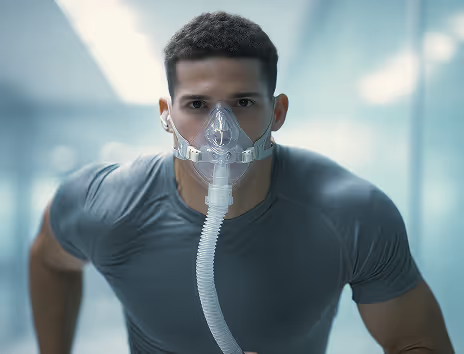

HYPOXYON is a hardware–software system for personalized hypoxic training that increases the body’s resilience to physical stress
The system automatically monitors and adapts the process: it analyzes your metrics, adjusts oxygen concentration, and ensures safe, effective sessions — from prevention to athletic training.

Normobaric hypoxia device
Forms a breathing gas mixture with reduced oxygen content to create a controlled hypoxic stimulus in conditions that simulate high altitude.

Software with automatic control
Provides real-time session control and continuous monitoring of key physiological parameters during hypoxic exposure.

Intelligent adaptation algorithms
They analyze the individual response of the body and allow you to adjust the parameters of hypoxic exposure to achieve the desired adaptive effect.
Hypoxic training activates the body's natural adaptation mechanisms without medication
Among the existing approaches—high-altitude training, hypobaric and normobaric hypoxia—interval normobaric hypoxic training (INHT) is the most controlled and safe method, allowing for continuous monitoring of the patient's condition.
Method: cyclical alternation of periods of reduced oxygen (10–14% O₂ — simulating an altitude of 4000–5000 m) and normal oxygen (21% O₂).
One session: 6–10 cycles over 30–60 minutes.
Result: increased stability, endurance, and recovery capabilities of the body.
Why normobaric hypoxia? Among the existing approaches (altitude, hypobaric, and normobaric hypoxia), interval normobaric hypoxic training is the most controllable method:

Full control of all parameters
Continuous monitoring of the condition
Possibility of immediate correction
No risks inherent in real high mountains
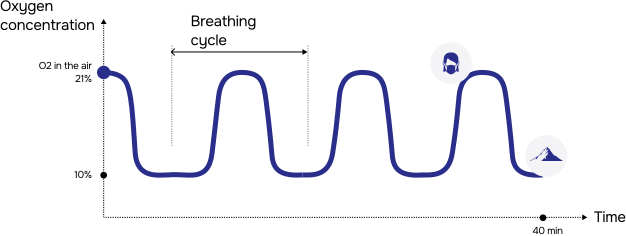
Complete control of key physiological indicators, ensuring safety
Traditional hypoxicators simply deliver a mixture with reduced oxygen. HYPOXYON controls the process in real time.

Blood oxygen saturation
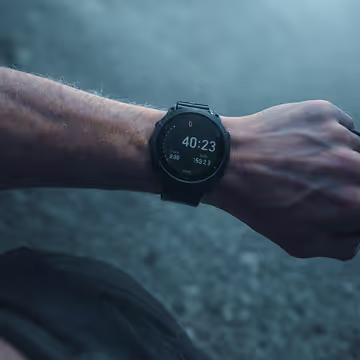
Heart rhythm
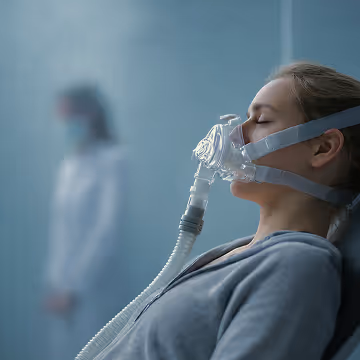
Security settings during a session

Oxygen concentration
Respiratory rate and volume

System properties of HYPOXYON
01
Full automation
HYPOXYON minimizes the human factor by automatically controlling the session based on predefined medical algorithms.
Key parameters of hypoxic exposure, safety limits, and response rules are determined by medical specialists and embedded in the system's logic.
During the session, HYPOXYON independently controls the process from start to finish, records deviations from the set limits, and alerts the operator if necessary.
02
HYPOXYON algorithms analyze the individual response of the body and adapt the load to each person.
The system takes into account:
• Current blood oxygen saturation (SpO₂)
• Heart rate
• Recovery rate between cycles
• Individual tolerance to hypoxia
03
Scientific accuracy and safety
Hypoxia modes are based on:
• clinical studies
• medical protocols
• evidence-based physiological parameters
The system automatically prevents critical conditions and monitors all key indicators.
04
Measured results of the body's adaptation
Controlled hypoxic exposure triggers adaptive changes that are reflected in physiological indicators:
• Increased aerobic endurance
• Optimized functional state of organs and systems
• Accelerated recovery after exercise
• Increased adaptive potential to extreme conditions
HYPOXYON is based on modern medical research and clinical protocols
The system automates complex physiological processes, reducing the human factor and increasing the stability of results.
Every parameter is controlled
Each mode is justified
Every result is measurable
Areas of application
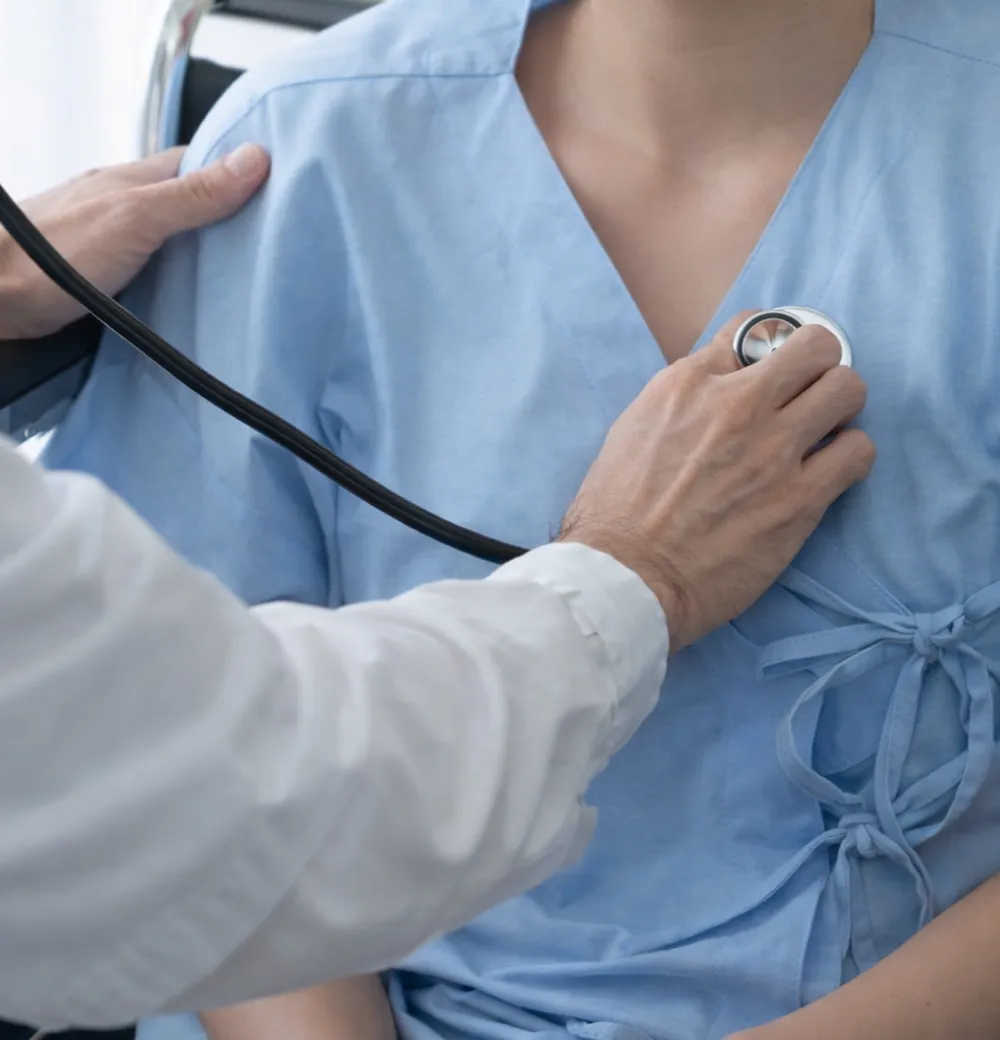
Medicine and rehabilitation
For hospitals, clinics, and rehabilitation centers
Applications:
• Prevention of cardiovascular diseases
• Treatment of chronic respiratory diseases
• Therapy for cardiovascular and metabolic disorders
• Recovery from COVID-19• Rehabilitation after surgery and trauma
• Boosting immunity and resistance
Benefits for the establishment:

Standardization of protocols
Objective control of effectiveness
Automatic safety
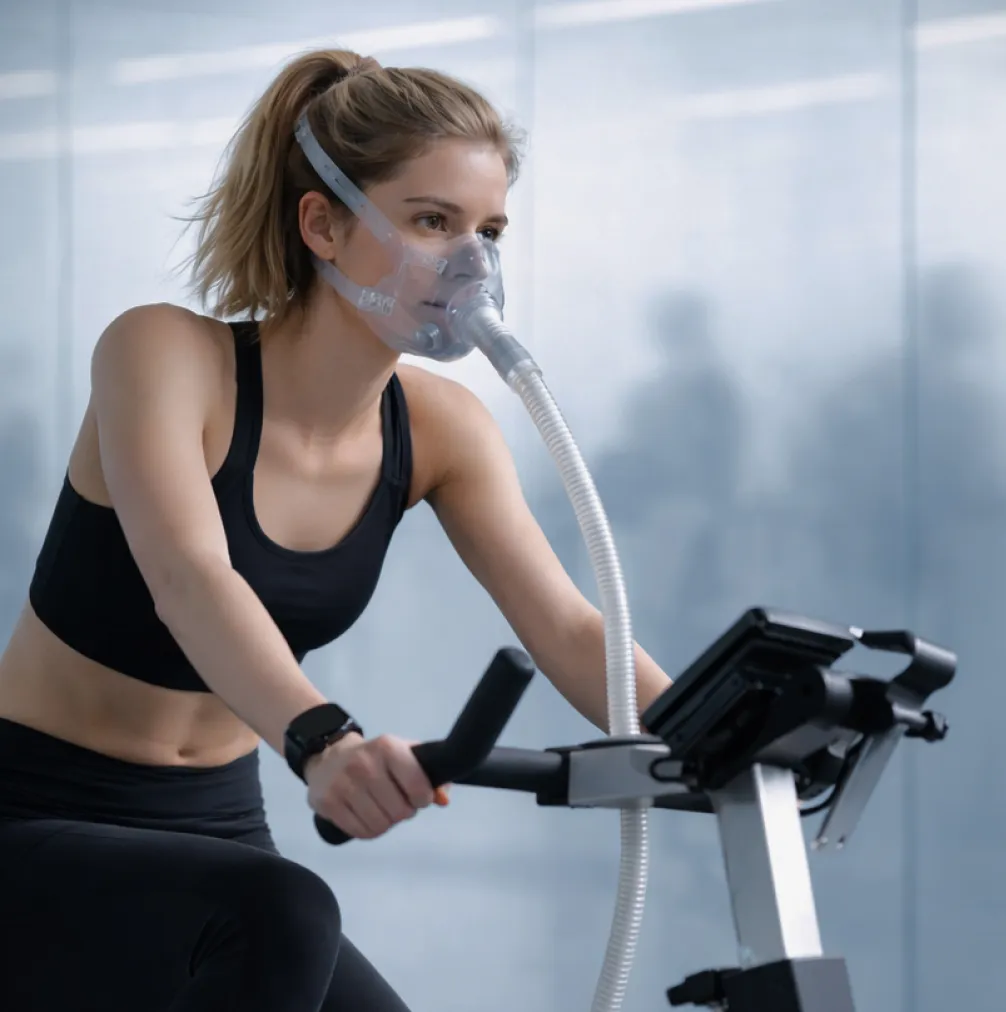
Sports and sports medicine
For athletes, national teams, and training camps
Application:
• Increasing aerobic and anaerobic endurance
• Developing maximum oxygen consumption
• Acclimatization before competitions at high altitudes
• Accelerating recovery after exercise
• Maintaining fitness during recovery from injuries
• Preventing overtraining
Advantages:
Individual modes
Measured results
Measured results
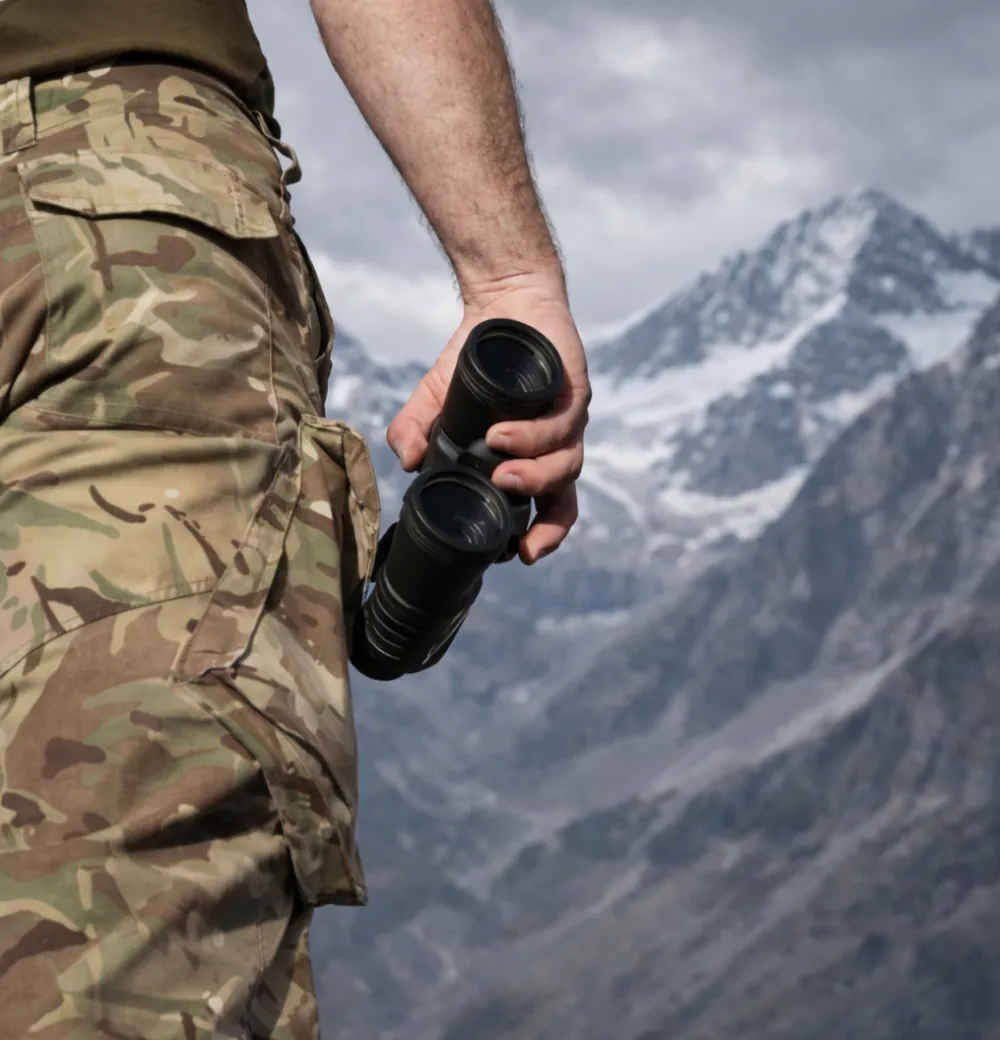
Military sector
For military units and training centers
Application:
• Improving physical performance and combat endurance
• Resistance to prolonged stress
• Accelerated recovery between rotations
• Rehabilitation after wounds, injuries, and concussions
• Prevention of exhaustion
• Training in safe conditions without going to the training ground
Advantages:
Automatic status monitoring
Compact system for field conditions
Measured readiness indicators
Developed and researched in Ukraine
HYPOXYON technology:

Protected by Ukrainian patents
Researched at leading scientific institutions
Confirmed by clinical and preclinical studies
The system controls hypoxic stress by alternating periods of reduced and normal oxygen levels to trigger and regulate adaptive processes in the body.


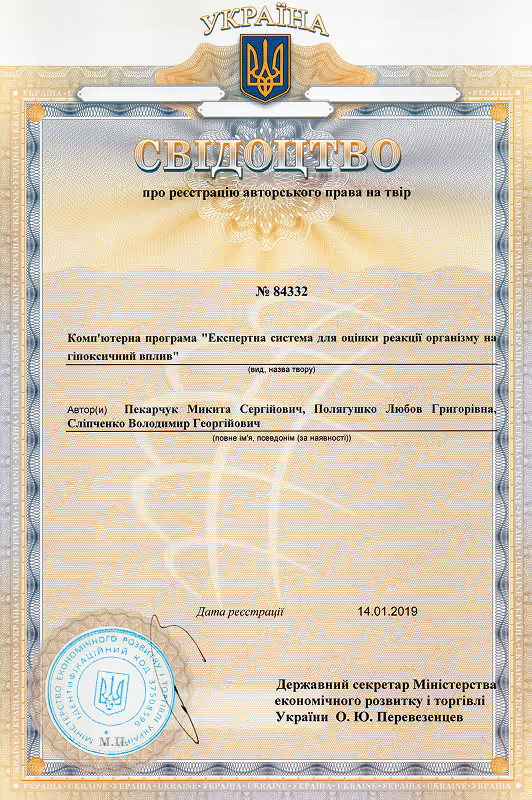


A high-tech product with scaling potential
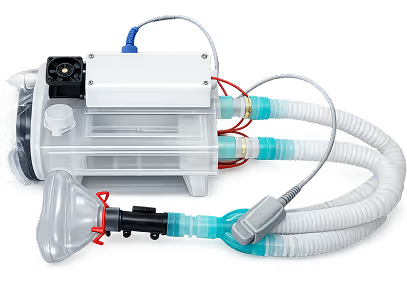
HYPOXYON operates at the intersection of:
Medical technologies
Sports science
Defense sector
The intelligent architecture of the system allows us to expand our product line and enter international markets. We are open to strategic partnerships and investment cooperation.
Frequently asked questions
How does interval normobaric hypoxic training differ from hypoxia in the mountains?
Training in high-altitude conditions does not allow for precise control of the level of hypoxic stress and the body's physiological response. HLT recreates the effects of hypoxia in a controlled environment with the possibility of individual dosing and continuous monitoring of the patient's condition during the session.
Is interval normobaric hypoxic training safe?
INGT safety is based on real-time monitoring of hypoxic exposure parameters and physiological indicators. The HYPOXYON system allows you to adjust the load according to the individual response of the body and specified safety parameters.
What are the contraindications for diagnostics and hypoxic training with APAK HYPOXYON?
Before starting hypoxic training, it is important to ensure that there are no absolute contraindications. The HYPOXYON APAC system provides automated control and personalization of training, but the following conditions are contraindications for hypoxic therapy:
• Acute heart failure
• Chronic heart failure IIB–III stage, FC III-IV class
• Myocardial infarction less than 3 months ago
• Stroke less than 3 months ago
• Unstable angina, first-time angina, or angina at rest
• Stable angina pectoris, FC IV
• Uncontrolled arterial hypertension (BP above 160 mm Hg)
• Uncontrolled life-threatening cardiac arrhythmias
• Heart rate above 100 beats/min at baseline
• COPD stage IV and respiratory failure stage III
• Blood oxygen saturation below 90% at baseline
• Diabetes mellitus in the stage of decompensation
• Renal failure stage III-IV
• Individual intolerance to hypoxia
Important: Before starting training, it is mandatory to consult a doctor and undergo a medical examination. The APAK HYPOXYON system automatically monitors all key physiological parameters during each session and stops the procedure if dangerous deviations are detected.
Are INGTs suitable for everyone?
The response to hypoxic exposure is individual. That is why the use of HLT requires a preliminary assessment of the condition and selection of parameters in accordance with specific tasks and physiological characteristics.
How does HYPOXYON differ from other hypoxic devices?
HYPOXYON is a hardware and software system in which hypoxia is not set at a fixed level but is controlled based on physiological parameters. The system combines hardware, software, and adaptation algorithms to ensure control, safety, and reproducibility of results.
How long does one session last?
The duration of a single session averages 30–60 minutes and includes 6–10 cycles of alternating hypoxic and normoxic phases. Specific parameters are determined by the program and the individual response of the body.
Is HYPOXYON a therapeutic method?
HYPOXYON is not a standalone treatment. The system is used as a tool for controlled hypoxic exposure to activate adaptive mechanisms within medical, rehabilitation, or training programs.
In which areas is the system used?
HYPOXYON is used in medicine and rehabilitation, sports and sports medicine training, as well as in specialized programs where control, safety, and adaptation to hypoxic conditions are important.
Contact the HYPOXYON team
Leave a request, and we will provide detailed information about the system, integration options, and cooperation formats.
